WhatsApp for Healthcare — How Clinics & Hospitals Use WhatsApp in 2026

Learn how clinics and hospitals use WhatsApp for appointment reminders, lab results, patient follow-up, and teleconsultation in 2026.

May 6, 2026

9 min read

WhatsApp for Healthcare — How Clinics & Hospitals Use WhatsApp in 2026

WhatsApp for Healthcare — Complete Guide 2026

Healthcare providers face a universal problem: patients miss appointments, ignore email reminders, and rarely respond to SMS. WhatsApp changes that equation entirely. With a 98% open rate and a response rate 5–8× higher than email, WhatsApp has become the default communication channel for forward-thinking clinics and hospitals — and the WhatsApp Business API makes it possible to automate at scale without sacrificing the personal touch patients expect.

This guide covers everything a clinic or hospital needs to know to deploy WhatsApp for patient communication in 2026.


Why WhatsApp Outperforms Email and SMS for Patient Communication

The numbers tell the story clearly:

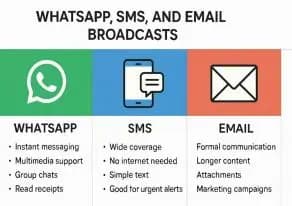
| Metric | Email | SMS | WhatsApp | |---|---|---|---| | Open Rate | 20–25% | 85% | 97–98% | | Response Rate | 3–6% | 10–15% | 40–60% | | Average Response Time | Hours to days | 30–90 min | Under 3 min | | Rich Media Support | Limited | No | Yes (PDF, images, video) | | Two-Way Conversation | No | Limited | Yes | | Read Receipts | No | No | Yes |

Email inboxes are flooded. SMS lacks context and looks impersonal. WhatsApp is where patients already are — chatting with family, friends, and services they trust. When a message arrives on WhatsApp from their clinic, it feels personal and gets read.

For healthcare specifically, the two-way nature of WhatsApp is transformational. A patient can confirm, reschedule, or ask a quick question without being put on hold. That friction reduction directly translates to fewer no-shows and higher patient satisfaction scores.


Key Use Cases for WhatsApp in Healthcare

1. Appointment Booking and Reminders

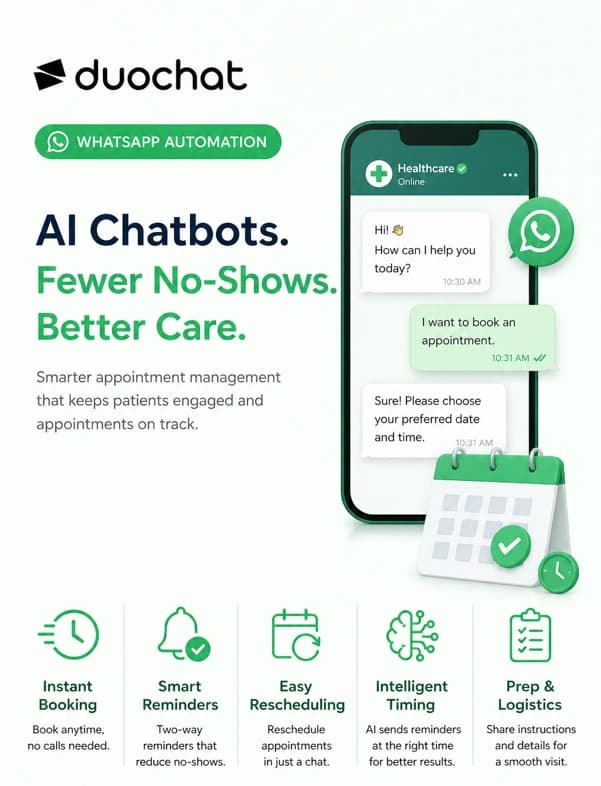
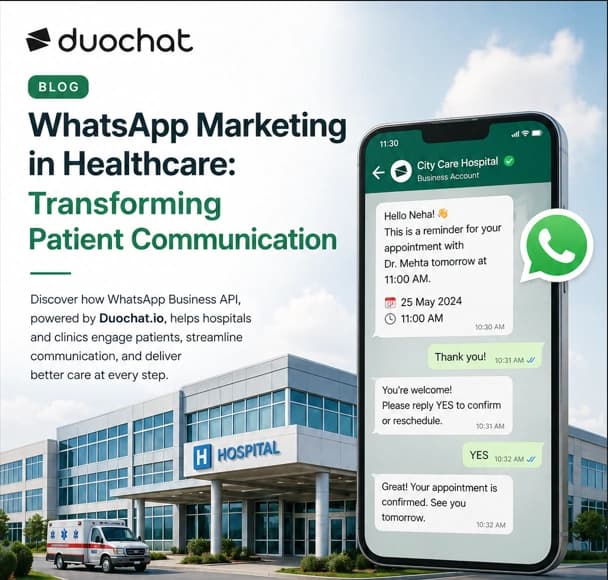
WhatsApp allows clinics to send structured appointment confirmation messages the moment a booking is made, followed by automated reminders at 48 hours, 24 hours, and the morning of the appointment. Patients can reply with a single word to confirm or reschedule, and the system updates your calendar automatically.

Impact: Clinics using WhatsApp reminders report a 30–50% reduction in no-show rates.

2. Lab Result Notifications

Instead of asking patients to call in or wait for a postal report, send a WhatsApp message the moment results are ready: "Your report is ready. Click here to view securely." This drives faster patient action and reduces the volume of inbound calls to your front desk.

3. Prescription Refill Reminders

Chronic disease management depends on medication adherence. WhatsApp reminders sent 3–5 days before a prescription runs out prompt patients to refill before they miss doses — improving outcomes and creating a natural reason to schedule a follow-up consultation.

4. Post-Discharge Follow-Up

After a patient is discharged, automated WhatsApp check-ins at 24 hours, 72 hours, and 7 days help catch complications early, improve patient outcomes, and demonstrate a level of care that generates strong word-of-mouth referrals.

5. Health Tips and Broadcast Campaigns

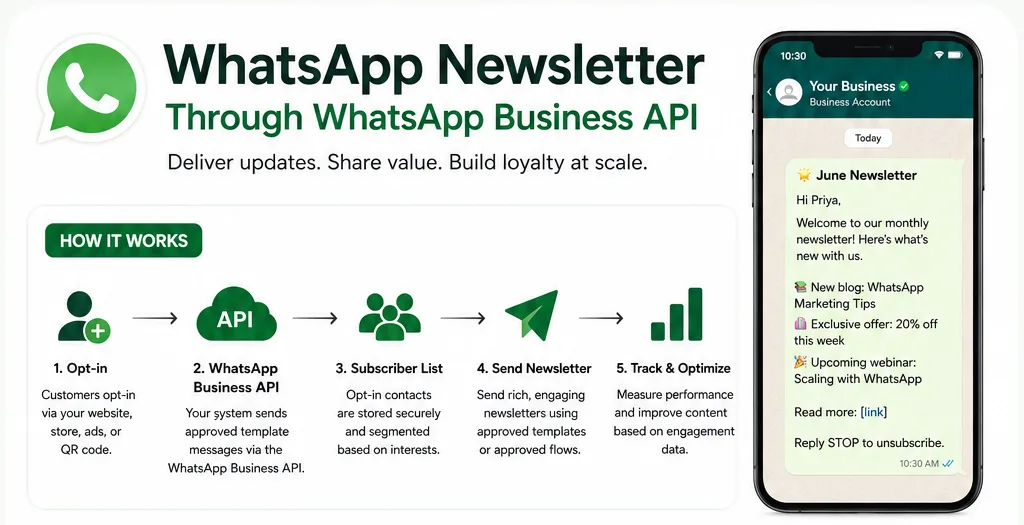
Seasonal campaigns — flu vaccination reminders, diabetes awareness month, free check-up drives — can be broadcast to your entire opted-in patient list via WhatsApp. Unlike email newsletters, these messages land in the main inbox (not promotions), and open rates reflect it.

Send video consultation links over WhatsApp with a single click. Patients receive the link in a familiar interface, increasing show-up rates for virtual appointments compared to email-delivered links.

7. Insurance Claim Updates

Patients anxiously await insurance decisions. Proactive status updates via WhatsApp — "Your claim is under review, estimated 3 business days" — reduce inbound calls by keeping patients informed without requiring them to chase your billing department.


Patient Opt-In and Compliance

Before sending any WhatsApp message to a patient, explicit opt-in consent is mandatory under WhatsApp's Business Policy. Healthcare providers must additionally consider local health data regulations.

How to collect opt-in:

  • Checkbox on your patient registration form (online or paper): "I agree to receive appointment reminders and health updates via WhatsApp"
  • Verbal confirmation at the time of registration, recorded in your system
  • An opt-in SMS or email with a confirmation link sent to new patients

What to document:

  • The patient's phone number as provided
  • The date and method of consent
  • The specific types of communication they consented to

What to avoid:

  • Sending WhatsApp messages to any number not on your opted-in list
  • Sharing Protected Health Information in plain text (use secure links to a patient portal instead)
  • Sending more than the agreed frequency of messages

duochat's opt-in management module stores consent records with timestamps, making audit responses straightforward.


How to Set Up WhatsApp Business API for a Clinic or Hospital

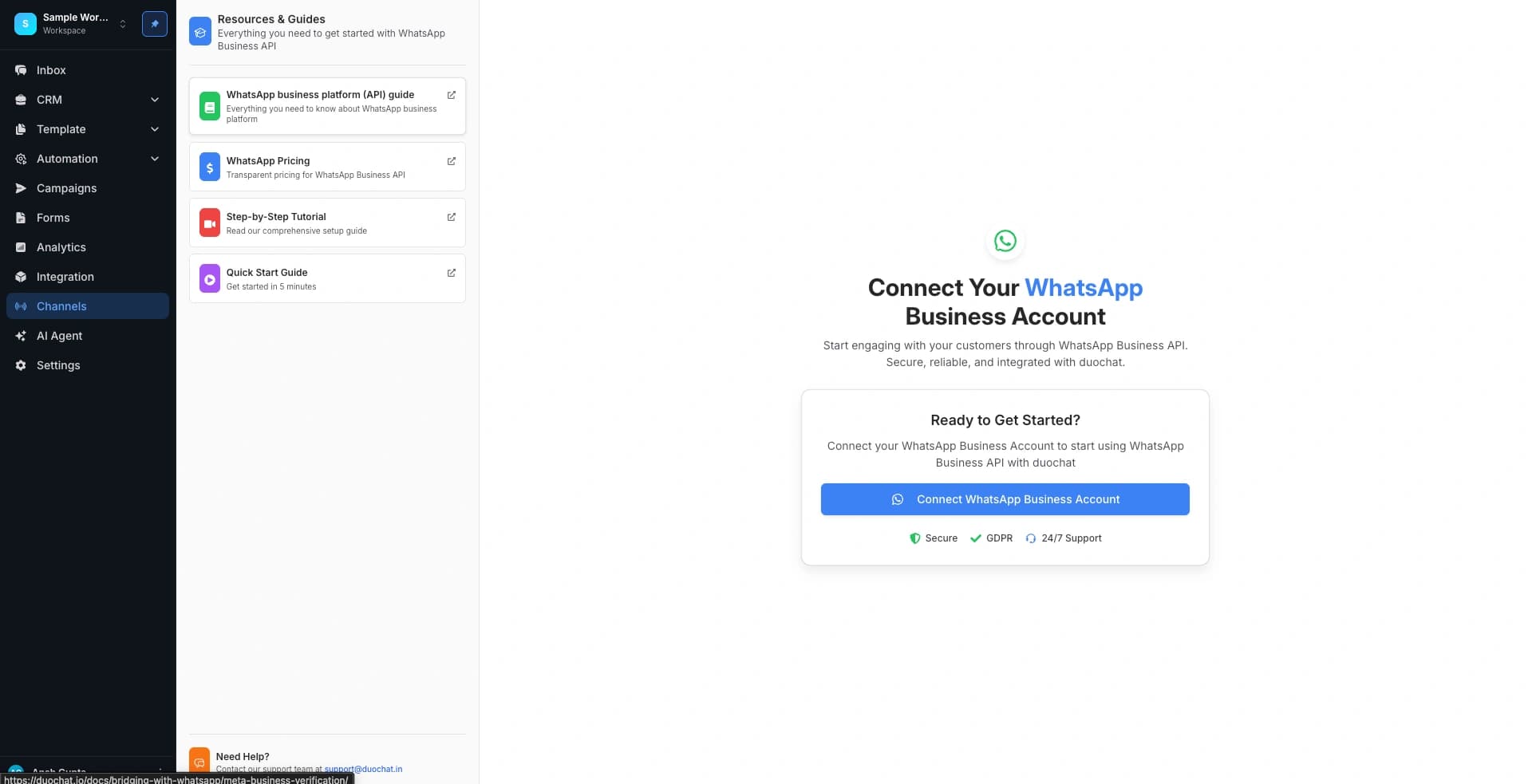
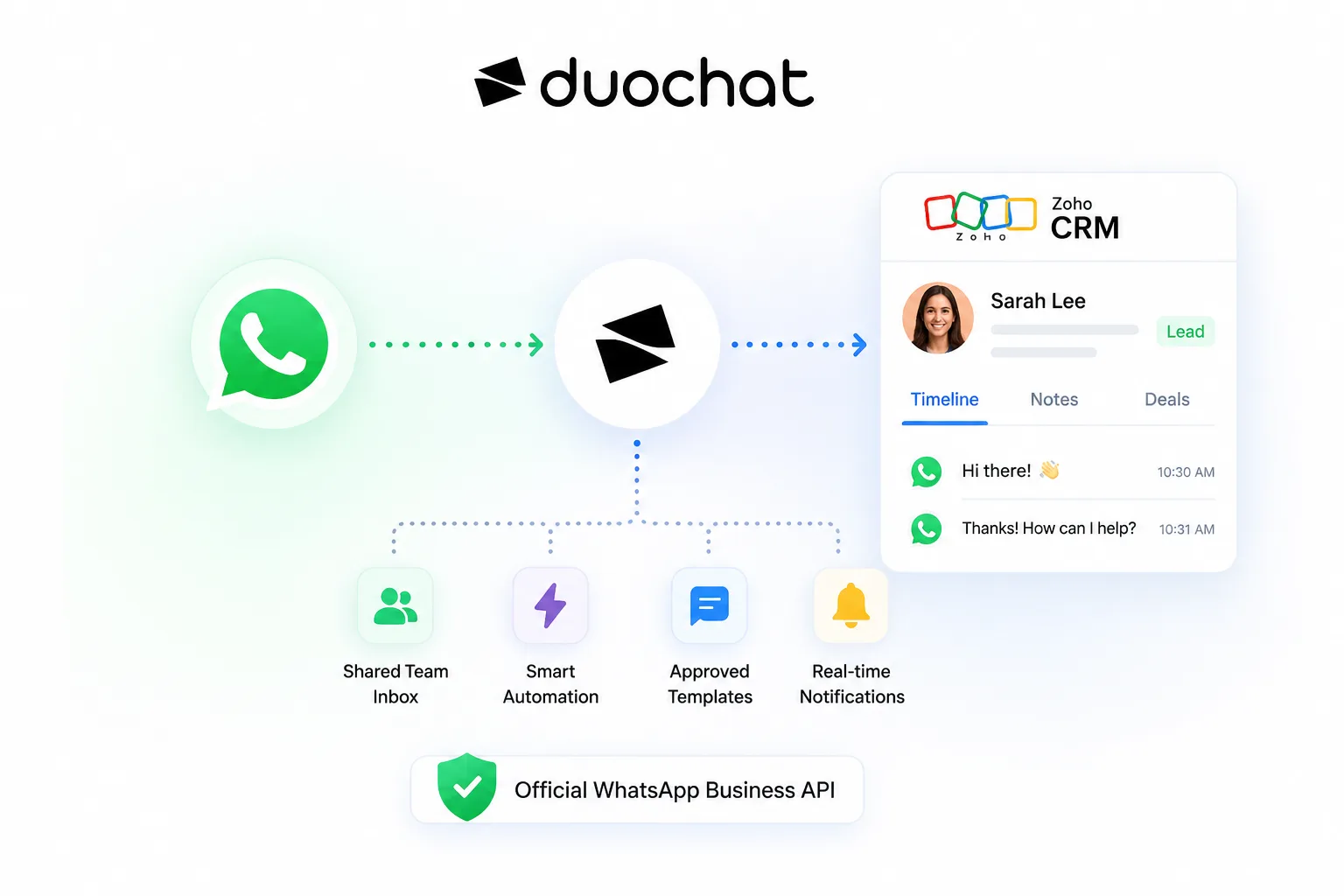
Getting started with the WhatsApp Business API through duochat takes less than 48 hours for most healthcare providers:

Step 1: Apply for a WhatsApp Business Account You'll need a registered business phone number (not currently active on WhatsApp personal) and a verified Facebook Business Manager account. duochat guides you through this during onboarding.

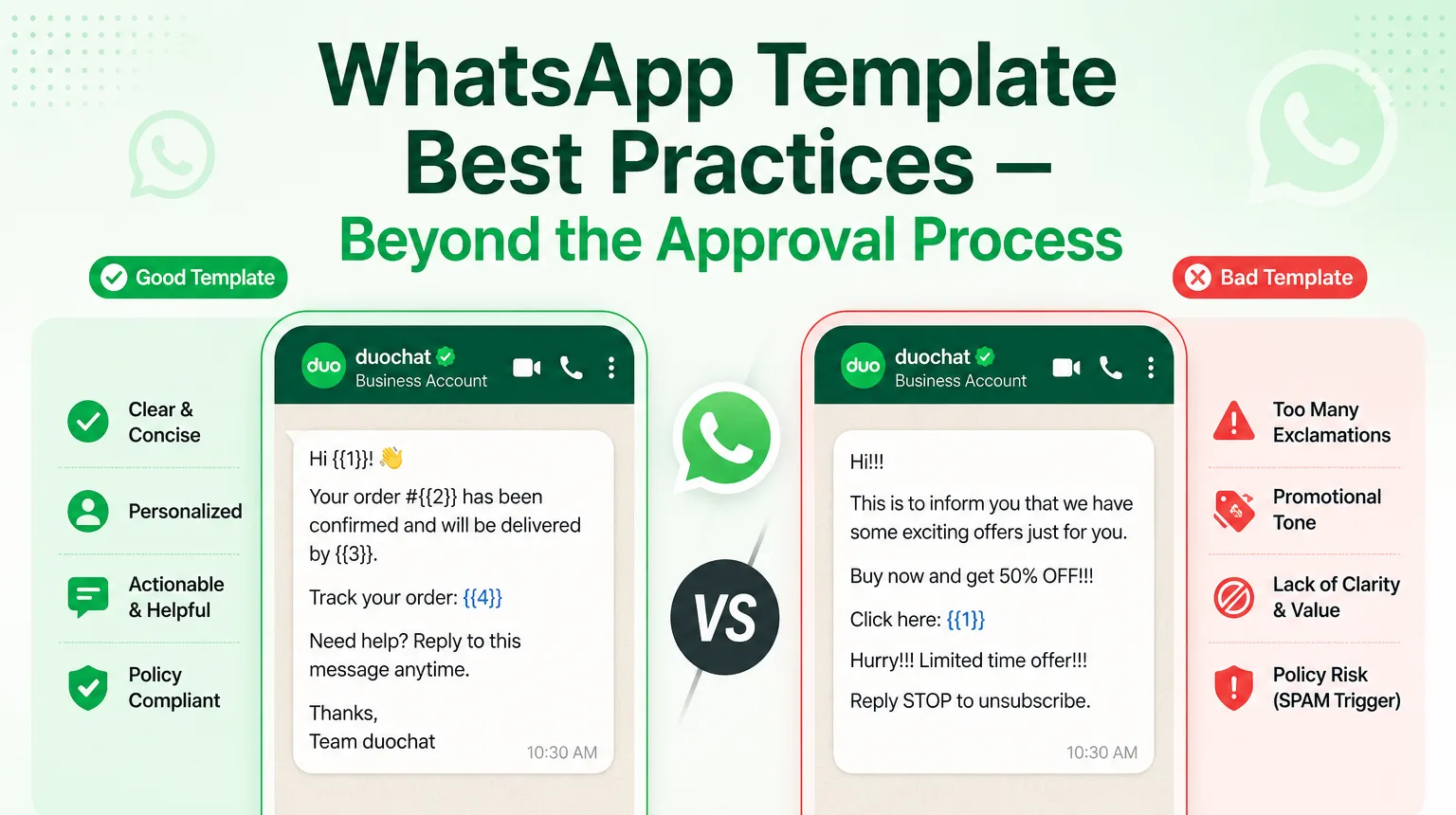
Step 2: Get Message Templates Approved WhatsApp requires pre-approval for outbound message templates (the structured messages you send first). Common healthcare templates — appointment reminders, lab result notifications, prescription refill reminders — are approved quickly when written according to WhatsApp's guidelines.

Step 3: Configure Automation Flows Using duochat's flow builder, connect your appointment scheduling system (or set up a manual trigger) to automatically send the right message at the right time. No coding required for standard healthcare workflows.

Step 4: Set Up Your AI Chatbot for Inbound Queries Enable the duochat AI chatbot to handle inbound patient messages 24/7 — answering questions about timings, location, available doctors, and services without staff involvement.

Step 5: Go Live and Monitor Track delivery rates, read rates, and response rates from the duochat dashboard. Optimize templates and timing based on real patient behavior data.


AI Chatbot for Patient FAQs — 24/7 Without Staff

The majority of inbound patient messages ask the same questions: What are your opening hours? Where are you located? Which doctors are available? How do I book an appointment?

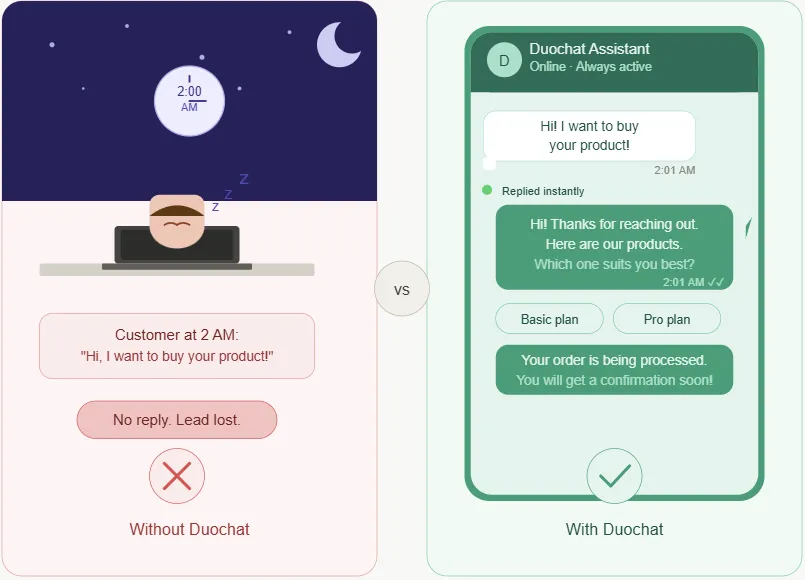
An AI chatbot powered by duochat handles all of these without human intervention, around the clock. When a patient sends a message at 11 PM asking about available slots, they get an instant, accurate response — and can even book directly through the chat flow.

For complex queries that require clinical judgment, the chatbot escalates to a human agent with full conversation context, so staff don't waste time asking patients to repeat themselves.

Chatbot capabilities for healthcare:

  • Clinic hours and location
  • Doctor availability and specialty lookup
  • Appointment booking and rescheduling
  • Basic symptom triage (directing to emergency or routine care)
  • Prescription refill requests
  • Insurance query routing

AI Calling for Appointment Reminders and No-Show Follow-Up

WhatsApp messaging covers most reminder scenarios, but some patients — particularly elderly populations — respond better to voice calls. duochat's AI calling feature automates outbound voice reminders for appointment confirmations and follows up with patients who don't respond to WhatsApp messages.

This is a significant differentiator: most WhatsApp platforms only do messaging. duochat combines WhatsApp automation with AI calling in a single platform, letting healthcare teams reach every patient segment without managing separate tools.

Workflow example:

  1. Day before appointment: WhatsApp reminder sent automatically
  2. No response after 4 hours: AI voice call placed, patient confirms verbally
  3. Same-day: WhatsApp check-in message sent
  4. Post-appointment: WhatsApp follow-up questionnaire triggered

Comparison: duochat vs Competitors for Healthcare

| Feature | duochat | Wati | AiSensy | Interakt | |---|---|---|---|---| | Standout Feature | AI Calling + WhatsApp | Team inbox focus | Campaign broadcasts | E-commerce integrations | | AI Chatbot | Yes | Basic | Basic | Basic | | AI Voice Calling | Yes | No | No | No | | Appointment Reminders | Yes | Yes | Yes | Yes | | Opt-In Management | Built-in | Manual | Manual | Manual | | Template Markup | 0% | 10–15% | 10–15% | 10–15% | | Starter Plan | ₹14,500/year | ₹2,499/month | ₹999/month | ₹2,499/month |

For healthcare providers evaluating alternatives, see our detailed comparisons:


duochat Differentiators for Healthcare

AI Calling: The only WhatsApp platform that combines messaging automation with outbound AI voice calls — critical for reaching patients who don't respond to text.

AI Chatbot: Fully trained on your clinic's information to handle 80% of inbound queries without staff, with seamless human handoff for complex cases.

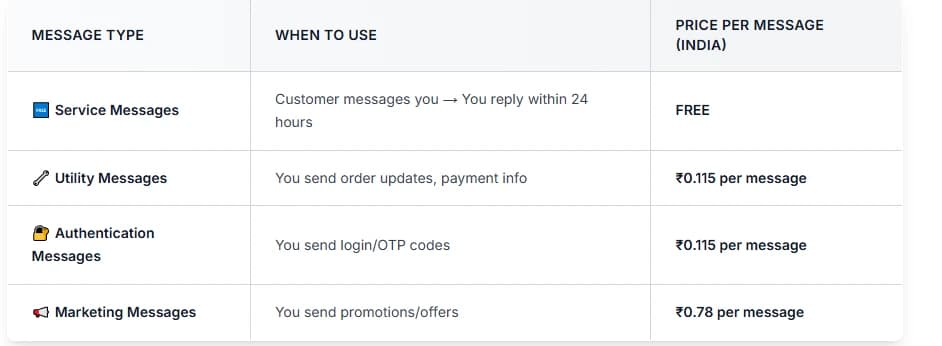
0% Template Markup: WhatsApp charges per message based on Meta's published rates. duochat passes those costs through at 0% markup. Other platforms charge 10–15% above Meta rates — on a high-volume clinic sending thousands of reminders monthly, this adds up significantly.

Shopify Integration: Relevant for health and wellness D2C brands — supplement companies, diagnostic kit sellers, and health product retailers can automate post-purchase follow-ups and reorder reminders alongside their clinic workflows.

Instagram Ads Manager: Healthcare providers running Instagram lead-gen campaigns can capture inquiries directly into WhatsApp conversations, converting social interest into booked appointments.


Pricing

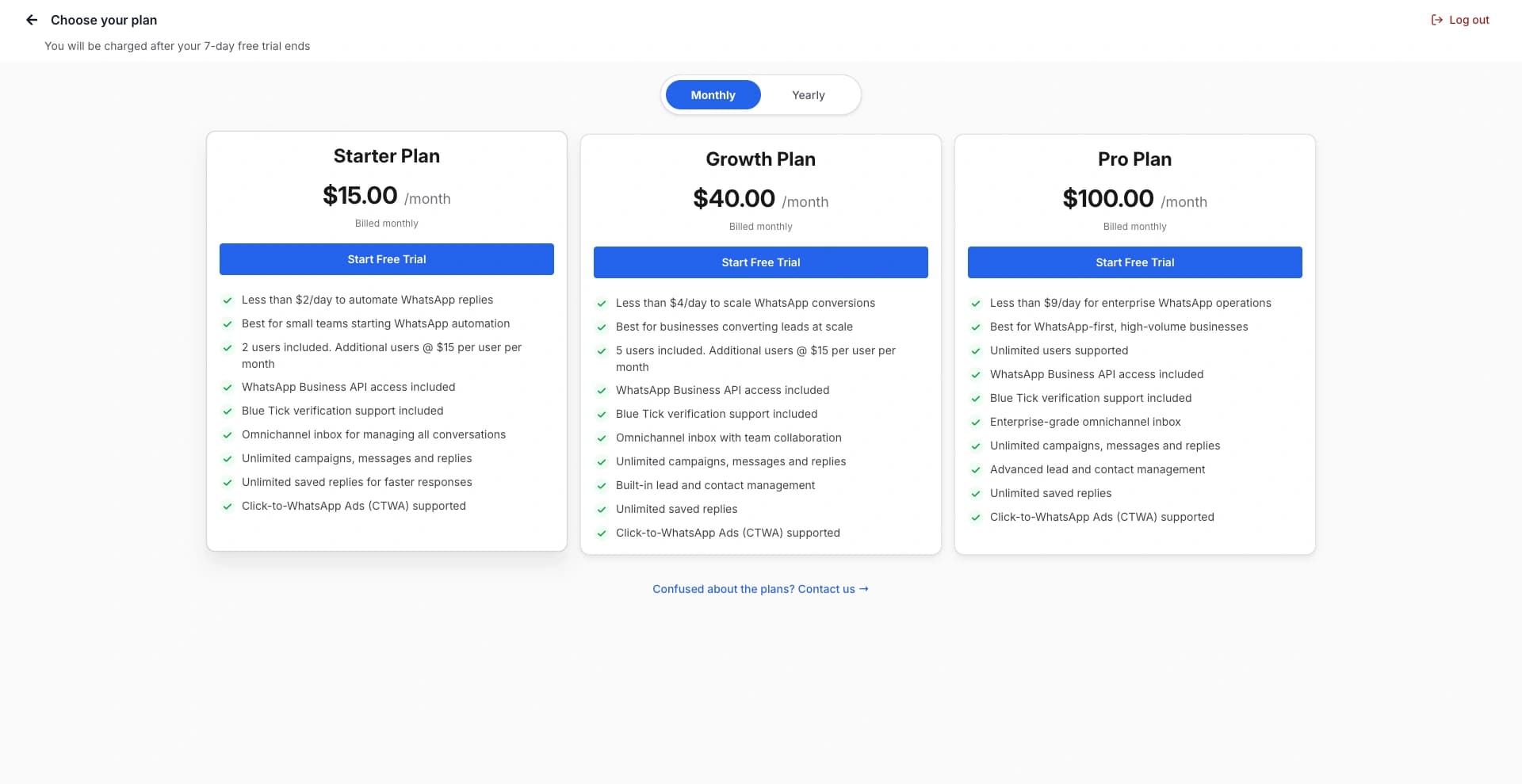
| Plan | Price | Best For | |---|---|---| | Starter | ₹14,500/year | Small clinics, solo practitioners | | Growth | ₹38,500/year | Multi-doctor clinics, hospital departments |

WhatsApp message charges (Meta rates, passed through at 0% markup) are billed separately based on actual volume.


Industry Results

Healthcare providers using WhatsApp Business API report:

  • 30–50% reduction in no-show rates from automated reminders
  • 40% decrease in inbound front-desk calls from chatbot-handled queries
  • 60–70% faster patient response compared to email or SMS
  • 2–3× higher engagement on health campaign broadcasts vs email newsletters

Getting Started

WhatsApp is no longer a consumer messaging app — it is the patient communication channel of choice across India and most emerging markets. Clinics and hospitals that automate their patient touchpoints on WhatsApp gain a measurable advantage in operational efficiency and patient satisfaction.

Ready to set up WhatsApp for your clinic or hospital?

Frequently asked questions
Everything you need to know about the product and billing.
Is WhatsApp compliant for healthcare communication?
WhatsApp Business API can be used compliantly for healthcare communication when you obtain explicit patient opt-in consent before sending messages, avoid storing Protected Health Information (PHI) on third-party servers, and use an approved Business Solution Provider. While WhatsApp is not natively HIPAA certified, many clinics use it for appointment reminders and general health updates where messages are non-sensitive. Platforms like duochat provide audit logs and opt-in management that support compliance workflows.
How can a clinic reduce no-show rates using WhatsApp?
Clinics using WhatsApp for appointment reminders see a 30–50% reduction in no-show rates. The key is sending a reminder 48 hours before the appointment, a confirmation request 24 hours before, and a same-day reminder. With duochat, you can automate all three touchpoints using WhatsApp message templates and trigger an AI calling campaign for patients who don't confirm, dramatically reducing empty appointment slots.
What is the WhatsApp opt-in requirement for patients?
Before sending any WhatsApp message to a patient, you must obtain explicit opt-in consent. This means the patient must actively agree to receive WhatsApp communications — a checkbox on a registration form, a verbal confirmation recorded by staff, or an SMS/email confirmation link all count. You cannot send WhatsApp messages to a patient just because you have their phone number. duochat includes a built-in opt-in management tool so clinics can capture and store patient consent records.
Can a small clinic use WhatsApp Business API or do you need to be a hospital?
Any registered healthcare business — from a solo practitioner to a multi-specialty hospital chain — can apply for WhatsApp Business API access. There is no minimum size requirement. Small clinics benefit most from the API because it automates repetitive tasks like appointment reminders and lab result notifications that previously required dedicated staff time. duochat offers plans starting at ₹14,500/year, making API access affordable even for independent clinics.
How do you send lab results via WhatsApp without compromising privacy?
The safest approach is to send a WhatsApp notification that a report is ready, with a secure link to a password-protected patient portal — rather than attaching the actual report file to the chat. This keeps the sensitive data behind authentication while using WhatsApp for the notification layer. Alternatively, for low-sensitivity results like general wellness checks, clinics may share a PDF directly after obtaining patient consent. Always follow your local health data regulations.

Supercharge your WhatsApp Business Today

See why duochat.io is the all-in-one WhatsApp platform trusted by modern businesses to convert more leads and engage customers faster.